Begin by listing needs separately
Before searching for a large house, ask each household what would make the stay workable. One person may need a ground-floor bedroom; another may value quiet after dinner; children may need a safe place to play. Record non-negotiables separately from preferences. This avoids letting the most vocal person’s ideal property become everyone else’s compromise.
Ask about sleep arrangements, bathroom access, mobility, dietary needs and any equipment that must fit. “Sleeps ten” does not tell you whether there are enough proper beds, whether a sofa bed is in a shared living room or whether the only bathroom is upstairs. Translate each requirement into a question you can put to the host.
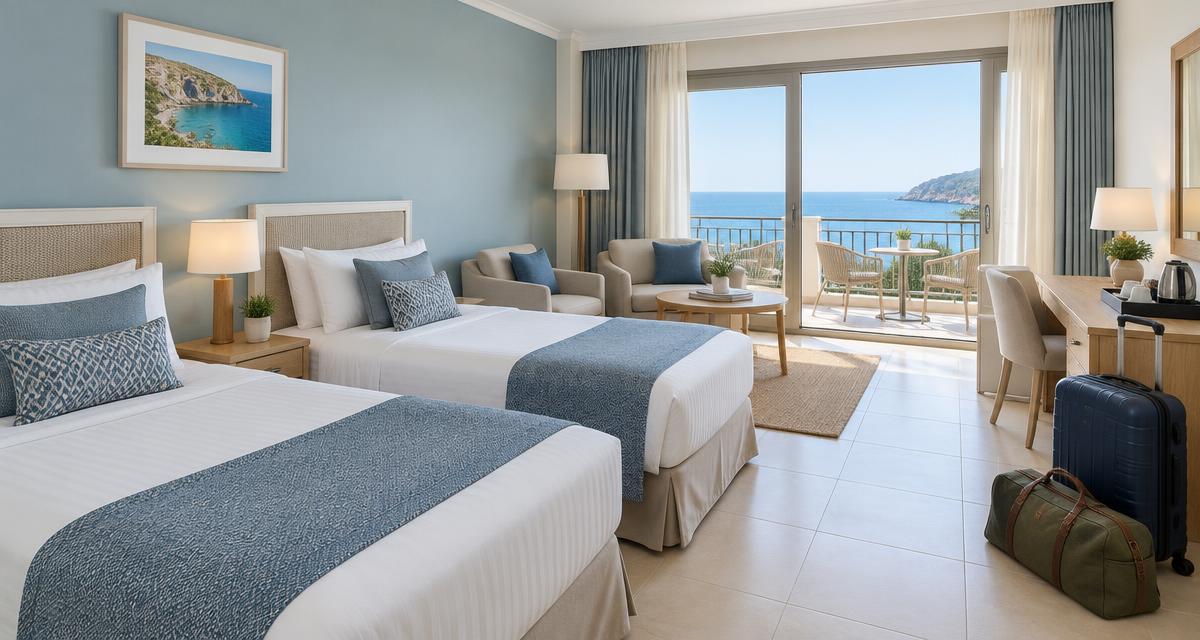
For a group of eight, sketch who actually sleeps where: grandparents in a twin room, parents near young children and teenagers somewhere that does not require crossing another bedroom. Ask whether a cot reduces usable floor space and whether a ground-floor room also has a usable bathroom on that level.
Choose a layout that gives people options
Look beyond the headline bedroom count. Two living areas, a dining table with genuine capacity and a quiet corner can matter more than an extra decorative bedroom. If different households keep different hours, separate sleeping areas reduce friction. Ask for a floor plan or a clear room-by-room description rather than guessing from wide-angle photographs.
Check whether the kitchen, bathrooms and outdoor areas match your group’s real routines. Is there somewhere to store a buggy or mobility equipment? Can everyone sit down together, and can someone step away from the noise? Think through a morning and evening in the property, not only the group photo on the listing.
Balance location against daily effort
A remote property may offer space but create repeated car journeys; a central one may simplify outings while adding noise or stairs. Mark the places your group is most likely to visit and estimate the actual travel demands from the accommodation. Include parking, public transport access and the distance from drop-off to the entrance.
Check accessibility with the provider in specific terms. Ask about step-free entry, thresholds, bathroom layout and the route between bedroom and shared spaces. A label such as “family friendly” or “accessible” is not a full description. Request doorway widths and shower photographs if these affect whether someone can use the property; compare the answers with that traveller’s own equipment and transfer needs.
Agree costs and responsibilities upfront
Decide how you will divide accommodation, food and shared transport before paying. Equal shares may feel straightforward but not suit a group where room sizes differ or some guests stay fewer nights. Put the agreed method in writing, including deposits, cancellation exposure and who is responsible for communicating with the property.
Read the cancellation terms and confirm who is named on the booking. Under UK package travel rules, essential information is provided before a package contract, but a standalone rental has different terms; read the actual contract rather than assuming protections apply uniformly. Keep messages confirming any essential feature.
Design a shared rhythm, not compulsory togetherness
Choose a few moments everyone values: perhaps breakfast together, one outing and a final meal. Keep the rest optional. A shared plan can include a shorter accessible outing and a longer walk, with a known place to meet afterwards. Children and older relatives do not need identical energy levels for the holiday to feel collective.
Before booking, test a sample day against the property: can people eat at different times, return early, and relax without disturbing one another? If the answer is yes, you have found a practical foundation. The best accommodation is not necessarily the grandest; it is the place that makes your group’s ordinary needs easier to manage.
Useful sources
Rules and booking terms can change. Confirm current requirements with the official sources and your provider before travelling. This is general planning advice, not personal legal, medical or insurance advice. Suggest a correction.