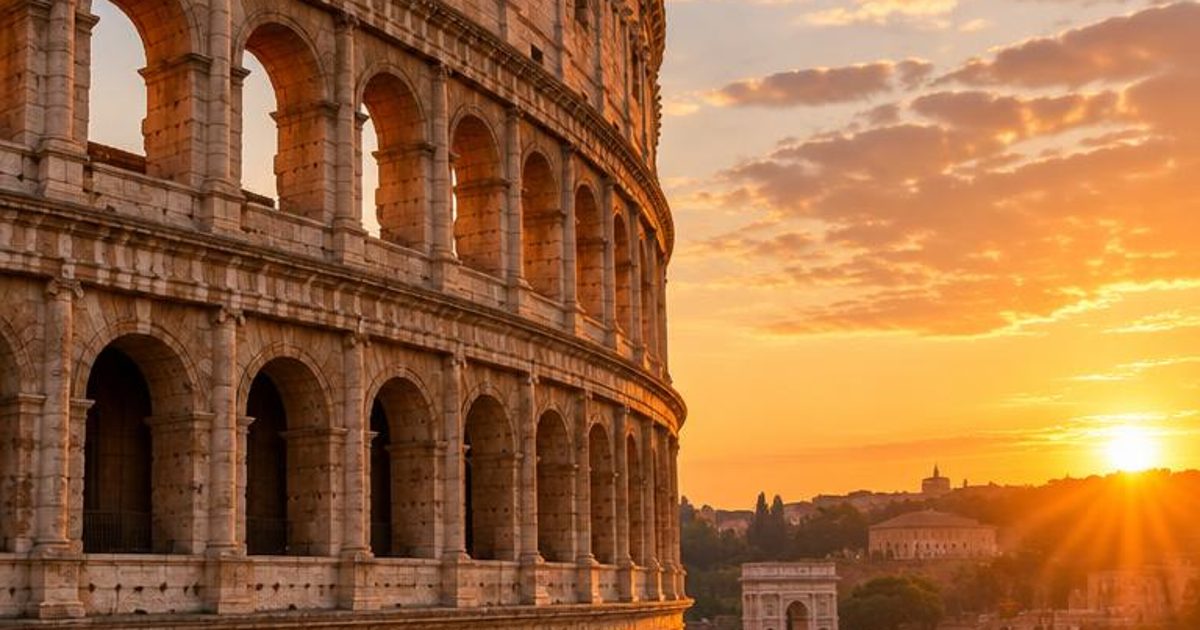
Anchor the day to your Colosseum slot
For many first-time visitors, the Colosseum is the hardest ancient-sight booking to build around. The archaeological park requires a reserved time slot for Colosseum entry, and its official ticket page says sales open 30 days before the visit date. Check the live official calendar for your date, the ticket type and the named-holder requirements before paying. Avoid assuming a general city pass replaces the required reservation. Official opening and ticket information.
Take a moment to orient yourself before entering the archaeological area. The modern city surrounds ancient remains, and looking at a site map first makes fragments of walls and roads easier to interpret. A guidebook or official audio material can turn an apparently empty space into a legible landscape.
Understand what the combined area includes
The Roman Forum and Palatine are closely connected to the Colosseum experience but are not a quick add-on in terms of walking. Read the specific ticket conditions to understand which sites are included, how long access lasts and whether entry is single-use. The Colosseum time slot is distinct from your wider route; plan the Forum and Palatine around it rather than assuming you can arrive at any gate at any time. Bring the ticket and identification required by the official rules.
Choose a meeting point outside the site if your group separates, and agree how to reconnect. Keep valuables secure in crowded approaches and follow all posted instructions. Avoid bringing items prohibited by the venue; check the official list before leaving your accommodation.
Give the archaeological zone its own half-day
Ancient Rome rewards slow looking: ruins are spread across an open landscape, and the Forum’s paths involve uneven surfaces and exposure. Allow time for orientation, water breaks and pauses to read the site. Decide beforehand whether you want an audio guide, a guided visit or a self-guided route; downloading material in advance can reduce faffing with connectivity. Comfortable footwear matters more than squeezing in one extra monument.
Do not overlook the time it takes to travel from your hotel to the entrance. A slot that looks comfortable on paper may require an early departure once you account for breakfast, transit and finding the correct gate.
Separate the Pantheon and central monuments
The Pantheon, Capitoline area and other central historic sites can fit on another day or a shorter walking loop, depending on your interests and current entry rules. Check each site’s official visitor page: ticketing arrangements and religious or event closures differ. Plot the order on a map and group nearby places, rather than criss-crossing the centre. Leave a meal break between major visits; Rome’s central streets can be slow to navigate even when distances look small.
Think about season and exposure without guessing
Weather can influence how long an exposed ruin feels comfortable, but do not plan from an average temperature as if it were a forecast. Check conditions close to travel, carry water and sun protection when appropriate, and favour an earlier slot if available and suitable. In cooler or wet conditions, allow extra time for slower footing. The point is to adapt your pace—not to treat a ticket time as an instruction to rush.
Make a backup plan for sold-out dates
If official admission is unavailable, first check whether another date or ticket category genuinely suits you. Be cautious of listings that promise impossible shortcuts or obscure what is included. A day around the Capitoline Museums, historic centre and exterior viewpoints can still make a meaningful ancient-Rome itinerary without forcing a poor-value purchase. Confirm transport and any access restrictions near the date. A good plan protects the key booking and keeps the rest of the visit flexible.
Useful sources
Rules and booking terms can change. Confirm current requirements with the official sources and your provider before travelling. This is general planning advice, not personal legal, medical or insurance advice. Suggest a correction.