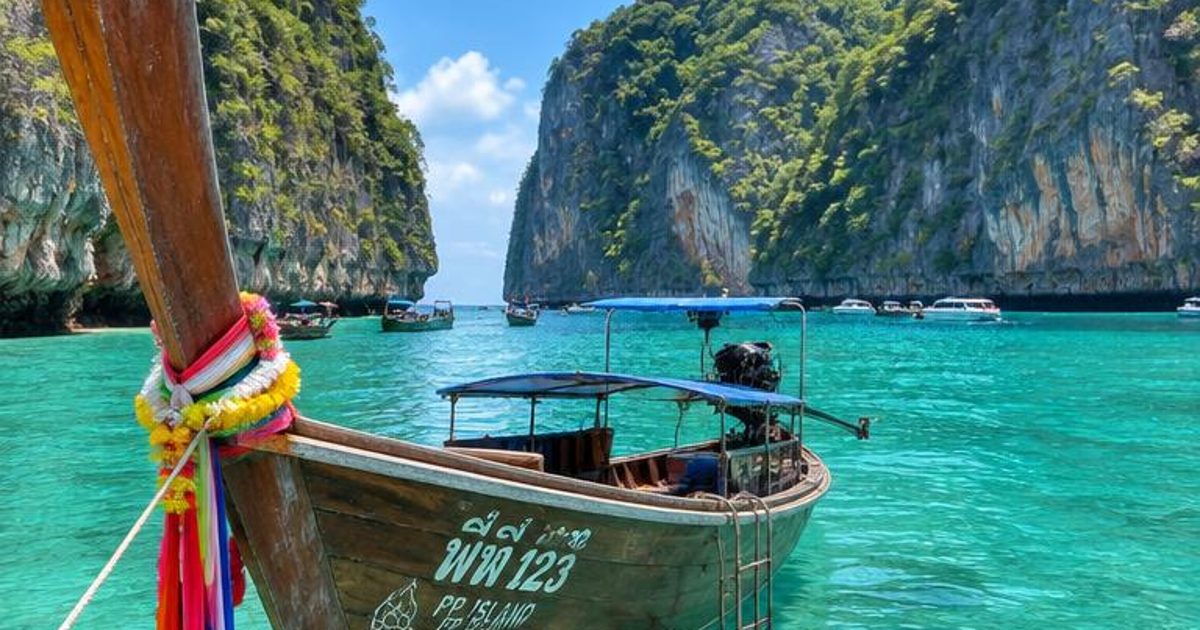
Choose a coast before choosing islands
The tempting mistake is to draw a route across Thailand by island names alone. First decide whether your trip centres on the Andaman coast or the Gulf, then check which airports, mainland piers and boat routes fit the dates. Thailand’s official government travel guide describes travel by land, water and air; those modes connect, but they do not make every island combination a convenient same-day journey. A first trip is usually easier when the route follows one region rather than trying to join distant coasts between hotel check-outs.
Count the whole transfer, not only the ferry
For each move, list the hotel-to-pier journey, check-in buffer, boat segment, onward pier transfer and arrival at the next accommodation. A ticket sold as a combined journey can simplify coordination, but read what the provider actually includes and where the handover occurs. Check the current departure point and destination pier close to travel: island names may conceal several terminals or separate beaches. Keep one unhurried day at the beginning and end of the trip rather than scheduling a long transfer immediately before an international flight.
Ferry, speedboat or land connection
Ferries are often the natural choice for established inter-island routes, while speedboats may link particular destinations more directly; availability varies by route and season. On the mainland, buses, vans and domestic flights can connect regions, but each adds a different set of waiting and luggage considerations. Compare door-to-door time and resilience, not just the advertised time afloat. If you are prone to motion sickness, consider vessel type and sea conditions, and ask the operator about its policy rather than assuming a crossing will be calm.
Keep the first itinerary deliberately small
A first island-hopping holiday need not mean sleeping on four islands. Pick two bases with contrasting character, or one island plus a mainland town, and use day trips only where the operator’s route makes sense. Every hotel change consumes some of a day even if the boat journey is short. Before reserving non-refundable stays, make sure there is a realistic scheduled service on the relevant date and a fallback if it is cancelled. Leaving a spare night before a flight is more useful than an extra destination if the route is vulnerable to disruption.
Book what needs certainty; leave room elsewhere
During busy periods or where a route has limited departures, pre-book the essential legs after checking current operator terms. For flexible local journeys, avoid purchasing a complex chain too early if the service schedule has not been released. Check baggage allowances, pier fees and hotel pick-up details in the actual ticket conditions. Save confirmation numbers and the operator’s contact details. The official national guide lists water-based tourism services alongside land and air transport, but it is not a live timetable; verify each leg with the carrier.
Turn the map into a realistic route
Make a simple table with date, overnight island, departure pier, transfer, arrival pier and next check-in. If any row depends on an unverified departure or a tight connection, adjust it before booking accommodation. Add one deliberately blank afternoon after a long move. This is not wasted time: it protects the holiday from a delayed boat and gives you the freedom to enjoy the place rather than watch the clock. For a first trip, a route you can explain in one sentence is often better than a string of technically possible connections.
For every segment, write down the departure and arrival pier names exactly as shown on the operator’s confirmation; similar destination names can be confusing. Ask your accommodation to confirm whether it arranges a pier transfer or whether you must organise one yourself. This detail is easy to overlook when booking online, yet it can determine whether a connection is comfortable or rushed.
Useful sources
Rules and booking terms can change. Confirm current requirements with the official sources and your provider before travelling. This is general planning advice, not personal legal, medical or insurance advice. Suggest a correction.