Amsterdam suits travellers who enjoy combining one substantial museum visit with canals and neighbourhood walks. It is compact enough for a short break, but timed tickets still need forethought.
What deserves your time
Choose museum bookings before filling every day with excursions. The Rijksmuseum and Van Gogh Museum can each justify a focused visit; the Anne Frank House needs its own official booking research rather than assumptions about walk-up access.
Build a realistic itinerary
Allow one museum and a neighbourhood walk each day. A canal cruise can be useful in uncertain weather, but check boarding steps and covered seating. A regional excursion should replace a city day, not crowd it.
Book the museum, then build the neighbourhood day
Amsterdam’s official visitor information and City Card pages are useful starting points, but inspect the conditions of the exact product you want. Card versions differ, and a museum listed in a general guide is not necessarily included in your chosen pass. Compare the admission you actually plan to use with buying tickets separately. Reservations may still be required. Avoid scheduling two major collections solely to make a pass seem worthwhile; one substantial museum followed by a local walk is often a more enjoyable day.
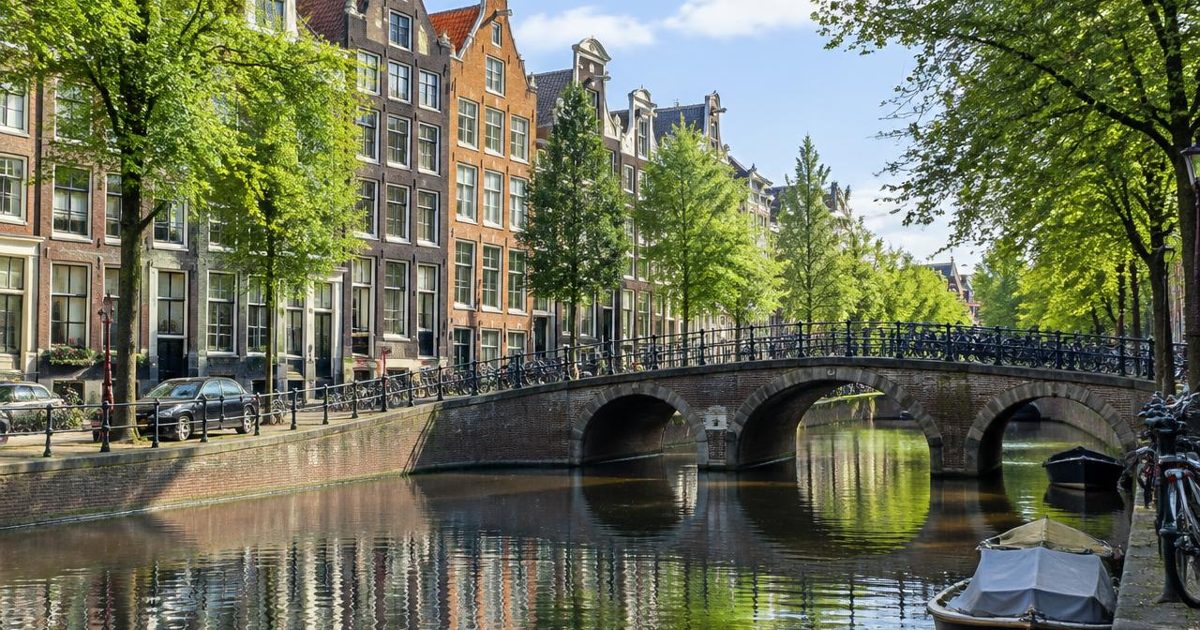
A canal cruise provides a different perspective from walking the bridges, but boats and boarding points vary. Check covered seating for wet weather and steps or other access limitations before committing. Leave enough time to find the actual quay rather than treating the departure as a generic city-centre address. Canal-side photographs should not block cycle lanes or bridges. The cycle network is a working transport system, and renting a bicycle is optional, not an essential test of an authentic visit. Walking and public transport can suit a first stay better.
Give a neighbourhood beyond the immediate station area its own afternoon rather than crossing it between ticketed sights. In rain, shorten the walk and add an indoor stop; in brighter weather, leave time to sit by the water. A regional excursion is best chosen for a real interest, not added because the city appears small on the map. For arrival and departure, check rail notices for Schiphol and leave a fallback for disruption. The convenient rail connection still requires time for the terminal, the platform and reaching your accommodation with luggage.
Amsterdam: weather and value by month
Typical seasonal conditions, not forecasts. Value notes describe expected demand, not measured price history or guaranteed cheapest months. Compare exact dates for current fares and hotel totals.
| Month | Weather | Price planning |
|---|---|---|
| January | Cold; short daylight | Post-festive comparisons can be useful |
| February | Cold; rain or wintry spells | Half-term and events are exceptions |
| March | Chilly and changeable | Demand builds with spring travel |
| April | Milder with showers | Easter and spring events can be busy |
| May | Mild; longer evenings | Good walking weather can support rates |
| June | Warm spells and long daylight | Popular long-day city-break period |
| July | Warm; occasional heat and rain | Summer holidays can lift travel demand |
| August | Warm but variable; showers possible | Compare dates rather than assuming August bargains |
| September | Mild early, cooling later | Business and cultural events can tighten hotels |
| October | Cooler and wetter spells | Half-term can affect family dates |
| November | Chilly; short daylight | Potential quieter weeks outside events |
| December | Cold; rain and occasional wintry disruption | Festive and New Year demand can rise |
Where to stay in Amsterdam
Museum Quarter
Art-focused trips
Compare tram connections with the museums you have booked.
Jordaan / canal belt
Canal atmosphere
Historic buildings may have steep stairs and compact rooms.
De Pijp
Food and neighbourhood life
Check the specific street for evening noise.
Flights from UK airports
Rough one-way nonstop-duration estimates to Amsterdam (AMS). These are planning ranges, including hypothetical nonstop timings where no direct schedule is confirmed; they are not connecting journey times. Winds and routing change actual durations.
Duration ranges are estimates, not confirmed schedules. Check your selected dates; connections and transfers add time.
| Departure | Planning time | Schedules |
|---|---|---|
| Manchester (MAN) | 1–1½ hours (rough nonstop time only) | Connection required unless nonstop confirmed; check seasonal schedules. |
| Birmingham (BHX) | 1–1½ hours (rough nonstop time only) | Connection required unless nonstop confirmed; check seasonal schedules. |
| Bristol (BRS) | 1¼–1¾ hours (rough nonstop time only) | Connection required unless nonstop confirmed; check seasonal schedules. |
| Glasgow (GLA) | 1½–2 hours (rough nonstop time only) | Connection required unless nonstop confirmed; check seasonal schedules. |
| London (check departure airport) | 1–1½ hours (rough nonstop time only) | Connection required unless nonstop confirmed; check seasonal schedules. |
| Edinburgh (EDI) | 1½–2 hours (rough nonstop time only) | Connection required unless nonstop confirmed; check seasonal schedules. |
AMS is Schiphol. Rail is useful for city access, subject to current works and schedules. Cycle lanes are active transport corridors: do not stand in them for photographs or assume renting a bicycle is essential.