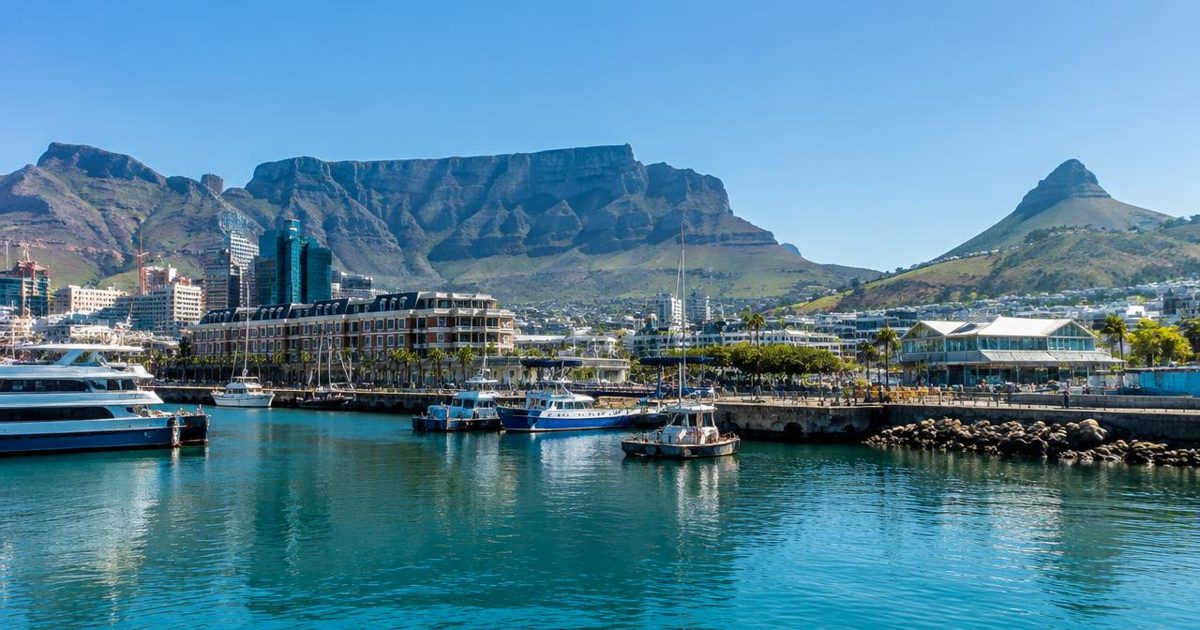
Cape Town needs flexibility: mountain views, boat trips and coastal drives depend on conditions, while museums, neighbourhoods and food provide rewarding alternatives. A week is more forgiving than a hurried stopover.
What deserves your time
Keep Table Mountain on the first suitable day rather than the final afternoon; wind or cloud can affect cable-car operation and views. Robben Island requires a separate booking and sea conditions can affect departures.
Build a realistic itinerary
Give the Cape Peninsula a full, unhurried day for viewpoints and Boulders Beach rather than treating it as a short city drive. Wine-country visits deserve designated transport if tasting, and are not substitutes for time in the city itself.
Keep the mountain day movable
Cape Town’s headline outdoor experiences are sensitive to weather. For Table Mountain, check the operator’s current conditions and opening information before setting off, and do not interpret a booking as a guarantee that the cableway will run. Put the opportunity early in the holiday and keep another city activity available if conditions change. A mountain walk requires its own preparation, suitable company and local safety advice; it is not simply a free equivalent of a cable-car ride. Carry layers because conditions above the city can differ sharply from the waterfront.
Robben Island is another outing to arrange with the official operator, allowing for the boat journey and possible disruption. Avoid attaching a second inflexible reservation too closely afterwards. The waterfront can provide an easier alternative day, but it is not a substitute for understanding the history of the island visit. For the peninsula, choose a few stops and enough time to enjoy them rather than trying to cover every coastal viewpoint. Coastal weather and traffic can both change the pace of the excursion.
A Winelands day works best with organised transport if tasting is part of the plan. Decide whether you want scenery, food or a deeper wine visit, as trying to include every estate turns the day into driving. For beach time, distinguish a scenic coastal walk from swimming: Atlantic water can feel cold even in sunshine. Seek current local advice on safe areas and journeys, especially after dark, and arrange transport rather than assuming every district is suitable for an unfamiliar walk. Southern Hemisphere seasons also mean that UK summer dates do not deliver Cape Town’s summer conditions.
Cape Town: weather and value by month
Typical seasonal conditions, not forecasts. Value notes describe expected demand, not measured price history or guaranteed cheapest months. Compare exact dates for current fares and hotel totals.
| Month | Weather | Price planning |
|---|---|---|
| January | Warm to hot; often dry and windy | Peak summer and local holidays |
| February | Warm; usually summer conditions | Popular summer travel |
| March | Warm; autumn transition | Good-weather demand may remain strong |
| April | Mild; rain becomes more plausible | Easter and local holidays affect demand |
| May | Cooler; wetter spells develop | Potential winter hotel comparisons |
| June | Cool and wet; mountain disruption possible | Lower-season options with weather compromise |
| July | Cool, rainy winter conditions | UK school flights can offset local hotel value |
| August | Cool; rain and stormy periods | Compare winter offers against outdoor priorities |
| September | Spring variability; warming gradually | Shoulder comparisons; weather still variable |
| October | Mild to warm; variable wind and showers | Spring demand builds |
| November | Warmer; summer trend develops | Summer demand strengthens |
| December | Warm, generally drier; strong wind possible | Festive and local summer holidays can be peak |
Where to stay in Cape Town
V&A Waterfront
Convenience and a managed visitor setting
Compare actual walking routes rather than relying on a district label.
Sea Point
Promenade and restaurants
A seafront view does not guarantee a swimming beach.
Camps Bay
Beach setting and scenery
Wind, traffic and travel after dark still need planning.
Flights from UK airports
Rough one-way nonstop-duration estimates to Cape Town (CPT). These are planning ranges, including hypothetical nonstop timings where no direct schedule is confirmed; they are not connecting journey times. Winds and routing change actual durations.
Duration ranges are estimates, not confirmed schedules. Check your selected dates; connections and transfers add time.
| Departure | Planning time | Schedules |
|---|---|---|
| Manchester (MAN) | 11½–13 hours (rough nonstop time only) | Connection required unless nonstop confirmed; check seasonal schedules. |
| Birmingham (BHX) | 11½–13 hours (rough nonstop time only) | Connection required unless nonstop confirmed; check seasonal schedules. |
| Bristol (BRS) | 11½–13 hours (rough nonstop time only) | Connection required unless nonstop confirmed; check seasonal schedules. |
| Glasgow (GLA) | 12–13½ hours (rough nonstop time only) | Connection required unless nonstop confirmed; check seasonal schedules. |
| London (check departure airport) | 11–12½ hours (rough nonstop time only) | Connection required unless nonstop confirmed; check seasonal schedules. |
| Edinburgh (EDI) | 12–13½ hours (rough nonstop time only) | Connection required unless nonstop confirmed; check seasonal schedules. |
CPT is Cape Town International Airport. Use reputable transport and follow current local safety advice about routes and travel after dark. Hiking requires route, weather and security planning; a prominent mountain is not automatically a casual solo walk.