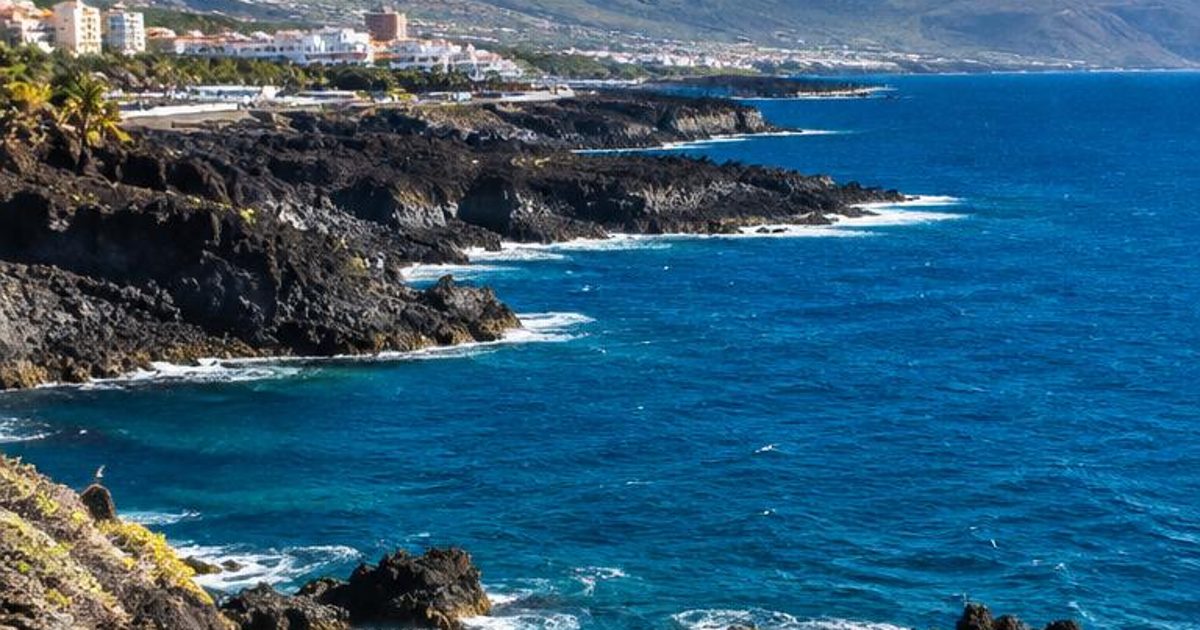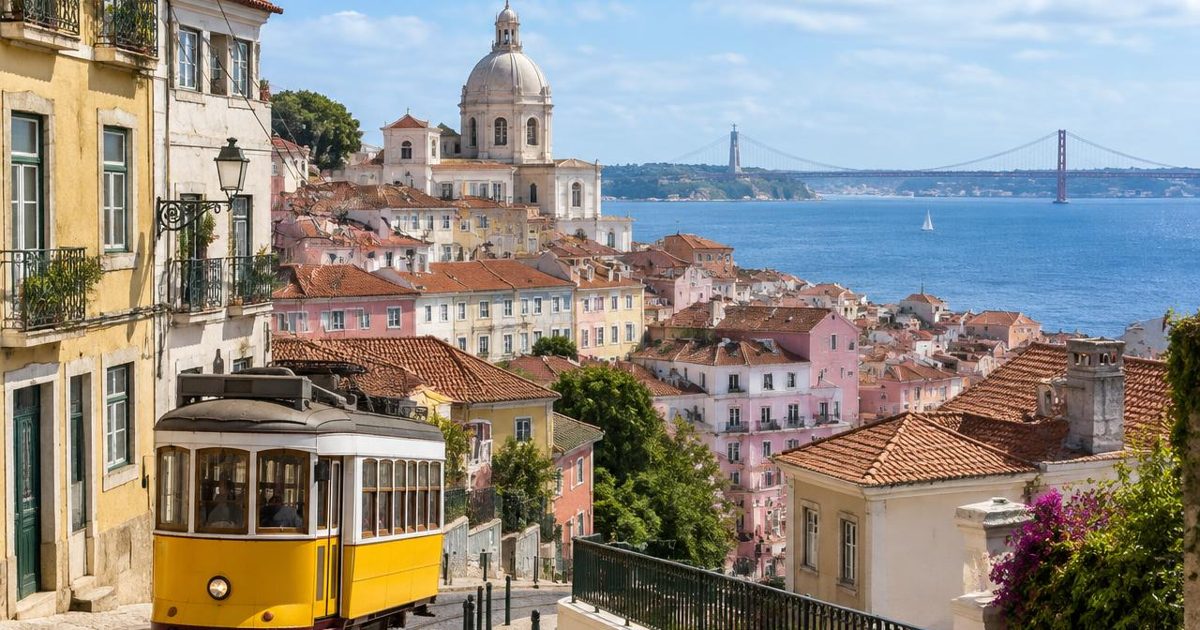
Lisbon is a city of hills, viewpoints and distinct neighbourhoods. Stay centrally for a short visit and treat Sintra or the coast as a chosen day trip, not an obligation squeezed between every city landmark.
What deserves your time
Belém deserves its own half-day rather than repeated journeys across the city. Alfama and the castle area work as a slower walking circuit, while Chiado and neighbouring districts suit cafés and evening meals.
Build a realistic itinerary
Plan two city days before adding Sintra. In Sintra, select a manageable number of attractions and pre-check local transport; trying to see every palace undermines the excursion. Keep coastal plans flexible for Atlantic conditions.
Use the hills to shape your walking routes
Visit Lisboa identifies Alfama, Baixa, Chiado, Belém, Graça and other historic neighbourhoods as distinct places to explore. Combine adjacent areas instead of assuming that all central sights fit into an effortless loop. For Alfama and the castle area, choose a manageable uphill approach and allow time for viewpoints and pauses. A route that looks short on a map can contain substantial climbing. Smooth pavements also become slippery in wet weather, so shoes with grip matter more than fashionable footwear for a long sightseeing day.
Belém is better treated as a separate excursion with a small number of priorities. Check current opening arrangements for any monument you particularly want to enter before travelling there. Leave space for a riverside break instead of immediately returning across town for another timed attraction. Back in the centre, cafés and evening meals can be organised around Chiado or neighbouring districts without requiring a different transport journey for each stop. Popular trams are working services, so a long queue does not guarantee a seat or a comfortable sightseeing ride.
If adding Sintra, decide what you most want to see and research the local connection between the station and that attraction. A rail arrival is only the beginning of the visit, not arrival at every palace. Trying to add the coast on the same day creates another transport problem and little time to enjoy either place. Atlantic beach plans should reflect current sea conditions rather than the weather in central Lisbon. On a short stay, a third city day is a reasonable choice instead of feeling obliged to leave Lisbon at all.
Lisbon: weather and value by month
Typical seasonal conditions, not forecasts. Value notes describe expected demand, not measured price history or guaranteed cheapest months. Compare exact dates for current fares and hotel totals.
| Month | Weather | Price planning |
|---|---|---|
| January | Cooler; rain possible | Compare winter weeks outside events |
| February | Cooler and changeable | Possible winter value outside half-term |
| March | Milder; spring showers | Spring demand starts building |
| April | Mild to warm; variable showers | Easter can lift demand |
| May | Warm; often good sightseeing conditions | Popular sightseeing weather; not automatic low season |
| June | Hotter and generally drier | Early summer and events can support strong demand |
| July | Hot; shade and early starts useful | School holidays raise family travel demand |
| August | Hot; busy outdoor areas | Busy holidays; compare total trip cost |
| September | Warm; showers may return | Popular shoulder weather can sustain rates |
| October | Mild to warm; wetter spells possible | Half-term and events create exceptions |
| November | Cooler; increasing rain risk | Potential quieter comparison window |
| December | Cool; short days and rain possible | Festive weeks differ from ordinary winter dates |
Where to stay in Lisbon
Baixa / Chiado
First-time sightseeing
Check the final uphill walk and lift access.
Alfama
Atmosphere and historic lanes
Steps, luggage access and evening noise deserve attention.
Avenida / Marquês
Transport-linked hotels
A practical base can matter more than a postcard view.
Flights from UK airports
Rough one-way nonstop-duration estimates to Lisbon (LIS). These are planning ranges, including hypothetical nonstop timings where no direct schedule is confirmed; they are not connecting journey times. Winds and routing change actual durations.
Duration ranges are estimates, not confirmed schedules. Check your selected dates; connections and transfers add time.
| Departure | Planning time | Schedules |
|---|---|---|
| Manchester (MAN) | 2¾–3½ hours (rough nonstop time only) | Connection required unless nonstop confirmed; check seasonal schedules. |
| Birmingham (BHX) | 2½–3¼ hours (rough nonstop time only) | Connection required unless nonstop confirmed; check seasonal schedules. |
| Bristol (BRS) | 2½–3 hours (rough nonstop time only) | Connection required unless nonstop confirmed; check seasonal schedules. |
| Glasgow (GLA) | 3–3¾ hours (rough nonstop time only) | Connection required unless nonstop confirmed; check seasonal schedules. |
| London (check departure airport) | 2½–3¼ hours (rough nonstop time only) | Connection required unless nonstop confirmed; check seasonal schedules. |
| Edinburgh (EDI) | 3–3¾ hours (rough nonstop time only) | Connection required unless nonstop confirmed; check seasonal schedules. |
LIS is Humberto Delgado Airport. Lisbon’s pavements can be slippery and routes steep, making footwear and hotel access important. Popular trams are transport, not guaranteed seated sightseeing experiences; protect belongings in crowds.