Tokyo becomes manageable when each day focuses on a cluster of neighbourhoods. Its scale rewards a well-connected hotel more than a long checklist of landmarks spread across the rail map.
What deserves your time
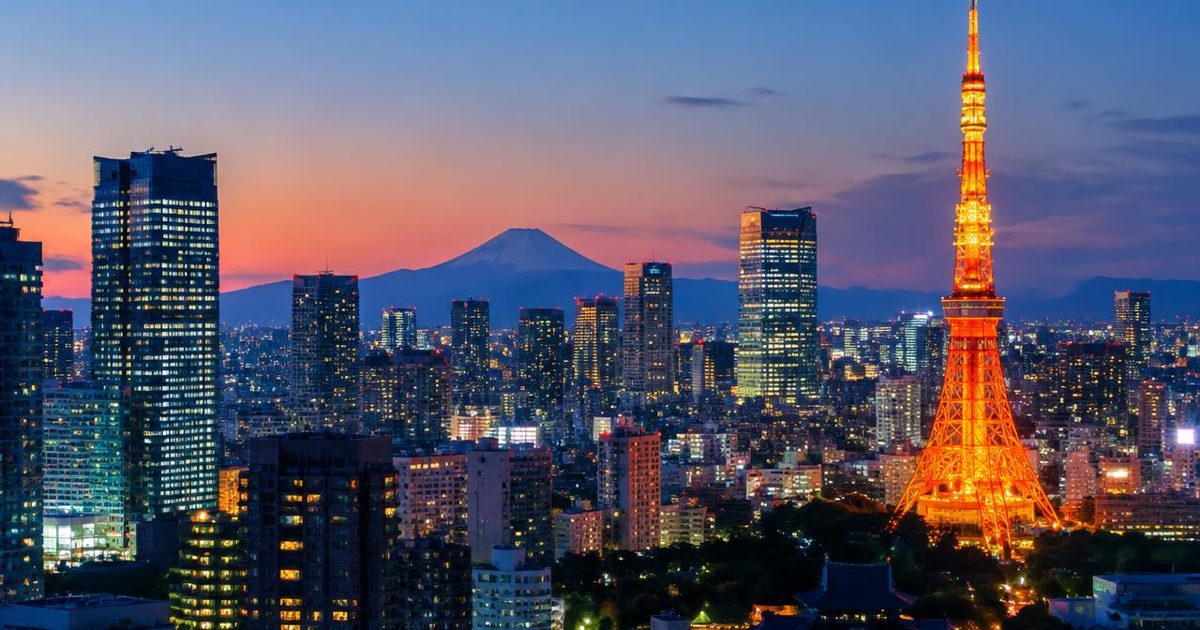
Pair Asakusa and Sensō-ji with nearby older-city interests, and keep Meiji Shrine, Harajuku and Shibuya for a different day. An observation deck is best treated as weather-sensitive: distant Mount Fuji visibility is not guaranteed.
Build a realistic itinerary
Allow at least four full days after arrival if Tokyo is the main destination. Put any timed attraction on a day with nearby alternatives. A long-distance excursion should not consume the only day you have reserved for neighbourhood exploration.
Choose a railway corridor before a hotel address
Tokyo’s official weather guide explains seasonal changes that affect how much outdoor exploring is comfortable. Build each day around a compact group of districts, with a museum, department store or café as a weather alternative. Summer humidity makes a long sequence of outdoor walks demanding, while winter evenings need warmer layers. Flowering seasons are variable: do not make an entire itinerary depend on one precise bloom date. Parks and neighbourhood streets can still be rewarding when the seasonal spectacle is earlier or later than expected.
Compare the stations you will actually use rather than measuring the hotel’s distance from a single famous landmark. A large interchange can involve a substantial internal walk and several exits; choose the exit near the property before leaving the station with luggage. Keep the arrival day limited to the local area so that navigating the rail system does not become another timed challenge immediately after the long flight. For later sightseeing, finish in a district where you also want dinner instead of repeatedly returning to the hotel between outings.
Separate traditional streets, major shopping districts and quieter gardens into coherent sessions rather than crossing the metropolis to tick off individual photographs. A regional day trip should replace a Tokyo day, not be squeezed around an evening booking. On departure, confirm whether the ticket names Haneda or Narita and research the transport for that airport and terminal. A city search code is not a transfer plan. Keep enough time for station navigation and luggage handling as well as the train journey, particularly when travelling before regular daytime services are established.
Tokyo: weather and value by month
Typical seasonal conditions, not forecasts. Value notes describe expected demand, not measured price history or guaranteed cheapest months. Compare exact dates for current fares and hotel totals.
| Month | Weather | Price planning |
|---|---|---|
| January | Cold, often dry; short days | New Year closures and demand affect early dates |
| February | Cold; occasional snow possible | Compare outside holidays and events |
| March | Cool, gradually warming | Blossom travel can increase demand |
| April | Mild; blossom timing variable | Blossom season can be premium |
| May | Warm; pleasant walking periods | Golden Week is a major early-month exception |
| June | Rainy-season humidity develops | Rainy-season comparisons may be worthwhile |
| July | Humid; rain then intense heat | Summer holidays and events affect demand |
| August | Very hot and humid | Obon and school holidays can lift demand |
| September | Warm and humid; typhoon disruption possible | Compare around public holiday periods |
| October | Cooling; variable rain and storm risk | Popular autumn travel returns |
| November | Cool, often good walking conditions | Autumn colour demand can remain strong |
| December | Cold and often drier | Early weeks differ from New Year travel |
Where to stay in Tokyo
Shinjuku
Transport and evening choices
Check the station exit and street noise; the station area is extensive.
Ueno / Asakusa
Museums and older-city atmosphere
Compare the direct route to your arrival airport.
Ginza / Tokyo Station
Central transport and shopping
Look at room size and last-train planning as well as location.
Flights from UK airports
Rough one-way nonstop-duration estimates to Tokyo (HND/NRT). These are planning ranges, including hypothetical nonstop timings where no direct schedule is confirmed; they are not connecting journey times. Winds and routing change actual durations.
Duration ranges are estimates, not confirmed schedules. Check your selected dates; connections and transfers add time.
| Departure | Planning time | Schedules |
|---|---|---|
| Manchester (MAN) | 13–14½ hours (rough nonstop time only) | Connection required unless nonstop confirmed; check seasonal schedules. |
| Birmingham (BHX) | 13–14½ hours (rough nonstop time only) | Connection required unless nonstop confirmed; check seasonal schedules. |
| Bristol (BRS) | 13–14½ hours (rough nonstop time only) | Connection required unless nonstop confirmed; check seasonal schedules. |
| Glasgow (GLA) | 13–14½ hours (rough nonstop time only) | Connection required unless nonstop confirmed; check seasonal schedules. |
| London (check departure airport) | 13–14½ hours (rough nonstop time only) | Connection required unless nonstop confirmed; check seasonal schedules. |
| Edinburgh (EDI) | 13–14½ hours (rough nonstop time only) | Connection required unless nonstop confirmed; check seasonal schedules. |
TYO is a city code; Haneda (HND) and Narita (NRT) have different transfers. Check last services for late arrivals. A national rail pass is not automatically good value for a Tokyo-only stay; compare your actual journeys.