Start with the ticket, not the suitcase
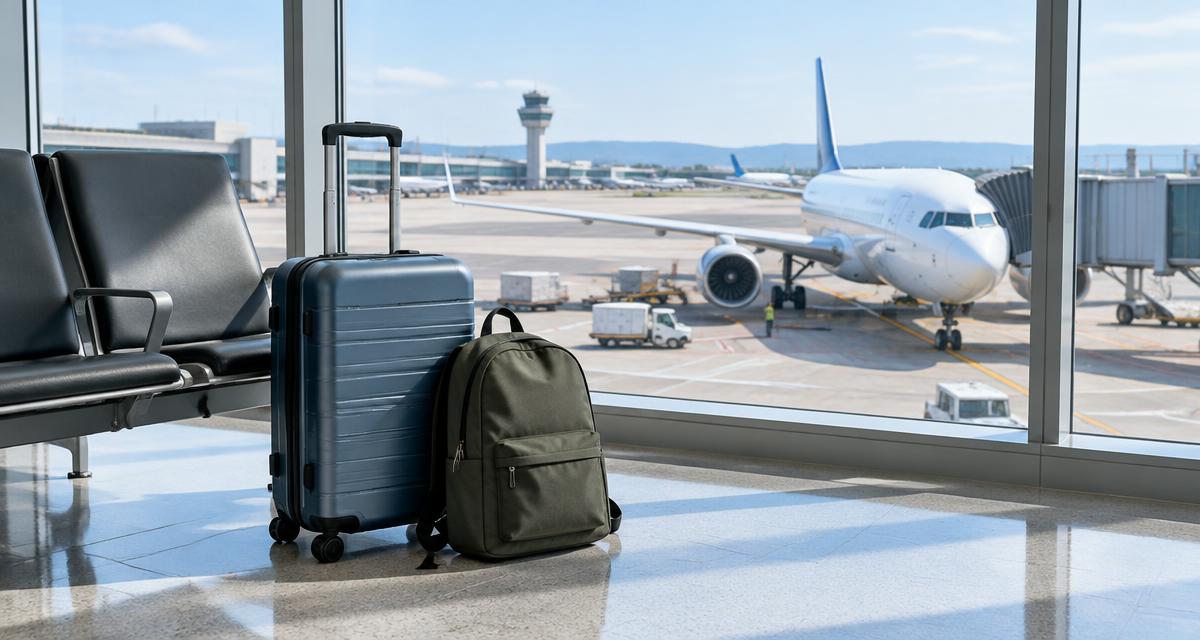
A carry-on-only weekend works best when you pack for two nights rather than every possible scenario. Start by opening your booking: establish whether your fare includes only an under-seat bag or also an overhead case. Record the permitted dimensions, weight and number of pieces for each operating airline. Do not assume a handbag or laptop bag is an extra free item. A suitcase advertised as cabin size is not evidence that it meets your particular allowance.
Choose the smallest comfortable bag that fits those limits and your route. A backpack leaves your hands free on stairs; a wheeled case may be easier on a long terminal walk but awkward on cobbles. Check whether you can leave luggage at your accommodation before check-in or after checkout. If you must carry everything around town on Sunday, that should influence the bag you choose.
Build a Friday-to-Sunday wardrobe
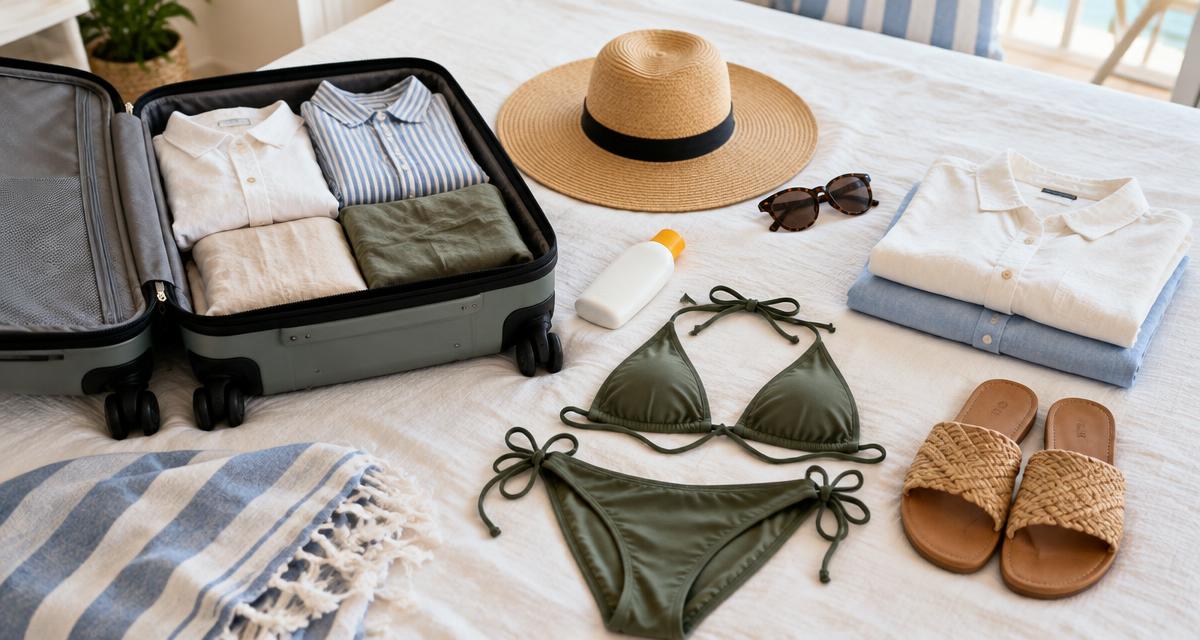
For a typical city weekend, wear one travel outfit and pack two tops, one spare bottom, two changes of underwear and socks, plus sleepwear. This is a starting point, not a universal quota: add what your body, plans and weather require. Choose tops that work with both bottoms so a spill does not undo the whole plan. Rewear your travel trousers if suitable rather than packing a separate outfit for every journey.
Use one pair of comfortable, already-tested walking shoes unless a booked activity genuinely requires another pair. A restaurant reservation may justify a smarter top, not necessarily a second complete outfit. Check the forecast close to departure and select one useful outer layer. For a wet weekend, a compact waterproof can earn its space; a bulky coat carried merely to save baggage room can become an all-day nuisance.
Make a security-ready wash kit
Ask whether your accommodation supplies the toiletries you actually use. Pack a toothbrush, a small amount of toothpaste, deodorant and your necessary personal products, rather than a full bathroom shelf. Keep containers labelled and secure their lids. GOV.UK includes creams, gels, toothpaste and spray deodorants in its liquids guidance, so do not count only bottles of drinks when reviewing your wash kit.
Check the departure, connecting and return airports individually. GOV.UK says most airports restrict liquids to containers no larger than 100ml, even when partly empty, while some allow larger containers. Where a separate liquids bag is required, follow its stated size and sealing rules. Do not assume new scanners mean identical procedures everywhere. Essential medicines have separate guidance; check that rather than treating them as ordinary toiletries.
Keep the journey essentials together
Create one accessible pouch for travel documents, wallet, keys, phone cable and any essential medication. Save tickets, accommodation details and directions offline before leaving home. Take a charger that serves your actual devices and check whether you need a plug adaptor. Skip the laptop if you have no specific use for it; two nights away rarely justify carrying electronics simply because they normally live in your work bag.
Pack with a possible gate handover in mind. If staff need to put your case in the hold, you should be able to remove documents, valuables, medicines and items restricted to cabin carriage without emptying everything on the floor. Check airline instructions for power banks and spare batteries separately. Keep the small essentials pouch within the allowance, not as an unplanned additional bag.
Test the closed bag before leaving
Put heavier items close to your back in a backpack and keep anything needed at security easy to reach. Separate worn underwear with a lightweight laundry bag instead of taking several bulky organisers. Close the bag without forcing the zip, measure it including handles and wheels, and weigh it if your airline sets a weight limit. Walk with it for a few minutes. Remove low-value extras before sacrificing anything essential, and leave enough space to repack a layer on the return journey.
Useful sources
- GOV.UK: Hand luggage restrictions
- GOV.UK: Liquids in hand luggage
- GOV.UK: Essential medicines and medical equipment
Rules and booking terms can change. Confirm current requirements with the official sources and your provider before travelling. This is general planning advice, not personal legal, medical or insurance advice. Suggest a correction.