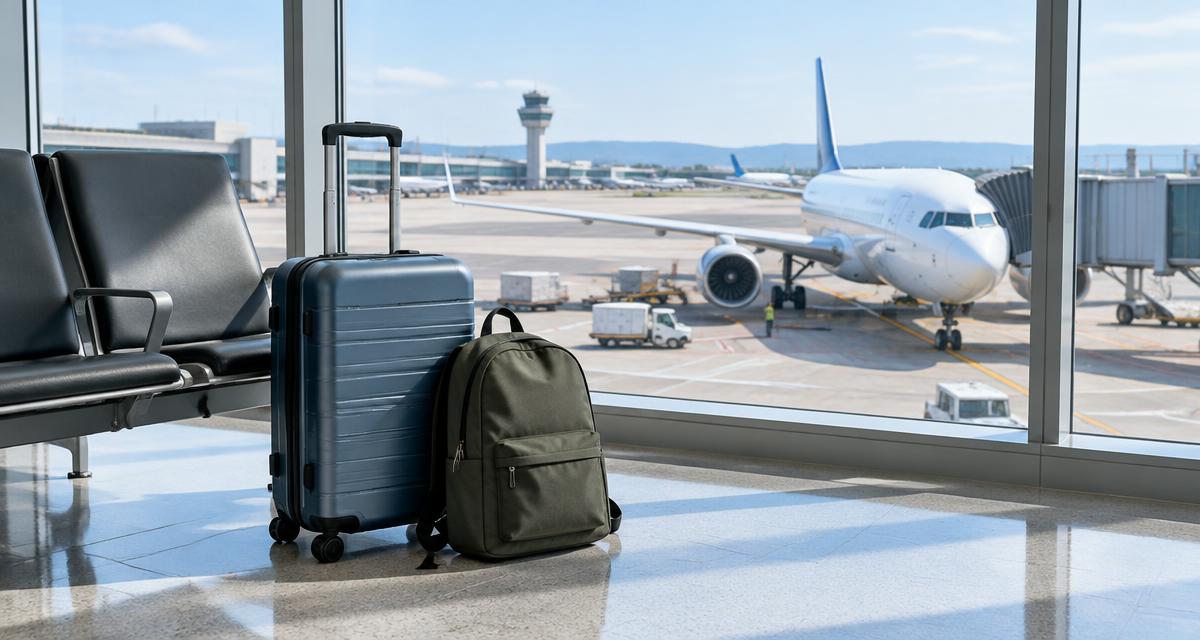
Report it before leaving the airport
If your checked bag does not arrive, go to the airline’s baggage desk or its handling agent before leaving the arrivals area. Ask for a report to be opened and keep the reference number. Photograph the baggage tag and retain boarding passes and receipts. Do not assume that a bag is formally reported missing merely because you spoke to someone at the carousel.
Give a clear description: colour, size, brand, distinctive marks, luggage-tag details and contents that help identify it. Provide a delivery address and a reliable way to contact you. Ask how to track the case and whether the airline needs any additional forms. The airline is responsible for handling delayed baggage, according to the CAA.
Keep records and essential receipts
Save the baggage report, baggage tag, booking information and any messages from the airline in one place. If you need to buy essentials while away, keep itemised receipts and note why each purchase was necessary. The CAA says most airlines reimburse bare essentials needed because of delayed luggage, but policies and circumstances differ. Do not assume every purchase will be reimbursed.
Buy proportionately: toiletries, underwear or basic clothing may be reasonable needs, while expensive replacements may be harder to justify. Check the airline’s process and any stated spending guidance before purchasing where possible. If you are returning home, explain what essentials you already have available when making a claim.
Track the case without losing the reference
Use the airline’s official baggage tracker or contact channel and quote the report reference each time. Confirm the delivery address and availability, especially if you change accommodation. Keep copies of communications and record dates, names or case numbers. If the tracker says the bag has been found, ask how delivery will be arranged and whether you need to be present.
Do not throw away the bag tag or receipts until the case is resolved. If travelling through more than one airline, identify which carrier accepted the report and ask it to explain any hand-off. The CAA notes that responsibility and claims can be more complex when journeys involve multiple carriers; keep the full itinerary.
Understand the claim process
The airline’s liability for lost, delayed or damaged baggage depends on the circumstances and the value of the loss. The CAA states there is no fixed compensation amount for each case. Make a list of missing contents with approximate values and provide evidence where available, such as receipts or photographs. Be accurate and do not inflate replacement values.
Ask the airline what deadlines and documents apply to the relevant claim. Keep a copy of everything submitted and note when it was sent. Travel insurance may provide a separate route, but check the policy terms and avoid assuming it will pay the same items or amounts. This is practical claims administration, not a guarantee of reimbursement.
If the bag is damaged or remains missing
Photograph damage before repair and report it through the airline’s stated process. Keep damaged tags and receipts for any necessary repair or replacement. For a bag still missing after the airline’s stated search period, ask when it will be treated as lost and what evidence is required. The applicable process and timelines should be confirmed directly with the airline.
Once returned, check the contents and condition promptly and report any issue through the required channel. Keep a calm, chronological record from the airport report through delivery. A complete paper trail is often the most useful thing you can control while the airline investigates.
Before travelling, photograph the outside of each checked bag and keep a short contents inventory for valuable or distinctive items. This is especially useful if the external tag becomes detached. Put your contact details inside the case as well as using an external tag, while avoiding unnecessary sensitive personal information. If the suitcase has a distinctive strap or cover, include it in the description. These preparation steps do not prevent delays, but they make identification and reporting more straightforward.
Useful sources
Rules and booking terms can change. Confirm current requirements with the official sources and your provider before travelling. This is general planning advice, not personal legal, medical or insurance advice. Suggest a correction.